
Major lifestyle changes can be exciting, but they can also create a long list of decisions that feel difficult to manage at the same time. Moving to a new home, preparing for a growing family, changing daily routines, taking on different responsibilities, or making room for new interests can affect nearly every part of everyday life. Even positive changes can create temporary stress when there are too many details to handle at once.
One way to make these transitions easier is to break them into smaller, practical steps. Instead of trying to completely reorganize your life overnight, focus on the areas that will have the greatest impact on your comfort, safety, finances, and daily routine.
Planning ahead can also give you more control over unexpected challenges. From preparing your home and organizing personal belongings to creating healthier routines and making time for enjoyable experiences, thoughtful decisions can help you adapt while keeping your priorities in focus.
Prepare Your Home Before Major Changes Begin

Major lifestyle changes often involve changes to the home. Renovations, additions, landscaping projects, moves, and other property improvements can temporarily disrupt normal routines. Thinking about how those disruptions will affect daily life before work begins can make the process much easier.
For example, households may temporarily lose access to certain rooms or facilities during construction. A portable toilet rental may provide a practical temporary option when a home’s bathrooms are unavailable or when a large project involves contractors working on the property. The right arrangement will depend on the project, property layout, and expected timeline.
Before a major project begins, consider:
- Which areas of the home will be inaccessible?
- How long are those areas expected to be unavailable?
- Will household members need alternative facilities?
- Where can temporary equipment be placed conveniently?
- What maintenance or servicing will be necessary?
It is also helpful to discuss these considerations with contractors before work starts. Having temporary arrangements in place can prevent an avoidable disruption from becoming a major inconvenience.
The same principle applies to other household changes. Thinking through how construction, moving, or renovations will affect everyday routines allows you to make adjustments before they become urgent.
Choose Clothing That Fits Your New Routine
Lifestyle changes can affect what you wear just as much as they affect where you live or how you spend your time. Starting a physically demanding job, taking up outdoor activities, traveling more frequently, or changing your daily responsibilities may require different types of clothing.
Rather than replacing your entire wardrobe immediately, start by identifying what your new routine actually requires. Specialized garments may be appropriate for certain jobs or activities. For example, fr clothing can be relevant for individuals whose work environments require flame-resistant apparel and specific protective characteristics.
Before purchasing new clothing, consider:
- Which activities will make up most of your new routine?
- What environmental conditions will you encounter?
- Do you need specialized protective clothing?
- Which existing garments can still be used?
- What features matter most for comfort and functionality?
Buying based on actual needs can help prevent unnecessary spending. It can also make it easier to create a practical wardrobe that supports your new schedule.
Comfort should be considered alongside function. Clothing that fits properly and works well for the activities you perform can make an unfamiliar routine feel more natural. As your lifestyle continues to evolve, periodically reviewing your wardrobe can help you avoid accumulating items that no longer serve a purpose.
Create a Structured Approach to Personal Wellness
A major lifestyle change can be an opportunity to reassess personal habits and establish routines that better support your overall well-being. However, trying to change everything at once can quickly become discouraging. A more manageable approach is to identify a few realistic priorities and build from there.
People considering detox programs, for example, should first understand what a particular program involves and whether it is appropriate for their circumstances. Programs can vary considerably in their goals, structure, and level of professional involvement. Anyone considering treatment or a significant health-related change should discuss appropriate options with qualified professionals.
A practical wellness plan might include:
- Establishing consistent sleep and daily routines.
- Setting realistic goals rather than pursuing immediate perfection.
- Seeking professional guidance when appropriate.
- Tracking progress over time.
- Building supportive relationships.
- Making gradual changes that can be maintained.
Wellness should also extend beyond one specific goal. Regular physical activity, nutritious meals, adequate rest, stress management, and meaningful social connections can all contribute to a sustainable routine.
The most useful changes are usually those that can become part of everyday life. Instead of treating a lifestyle transition as a short-term challenge, consider which habits you can realistically maintain months or years from now.
Evaluate Housing Options Around Your New Priorities

A major lifestyle change can alter what you need from your home. A growing family may need additional space, while someone whose children have moved out may prefer a smaller property. Changes in employment, commuting, finances, mobility, or personal interests can also influence housing decisions.
When reviewing condos for sale or other housing options, focus on how each property fits your actual routine rather than choosing based solely on appearance. A home that looks appealing may not provide the location, storage, accessibility, or amenities that make daily life convenient.
Before making a housing decision, evaluate:
- Your preferred location and commute.
- The amount of space you realistically need.
- Transportation options nearby.
- Building or community amenities.
- Association fees and rules.
- Maintenance responsibilities.
- Potential future needs.
Creating a list of priorities before viewing properties can make the process more focused. Separate essential features from preferences so you can evaluate options based on what will actually improve your everyday life.
Protect Your Property as Your Surroundings Change
Changes to a property can affect more than the interior of the home. Renovation, landscaping, construction, severe weather, and drainage changes can alter how water moves across outdoor areas. When soil becomes exposed or runoff increases, erosion can become a concern.
Erosion control blankets are one method used in appropriate situations to help stabilize soil and manage erosion on certain slopes and disturbed areas. Property owners should evaluate the specific conditions of their land and consult qualified professionals when significant erosion or drainage problems develop.
When reviewing your property, look for:
- Exposed or displaced soil.
- Areas where water consistently collects.
- Channels forming after heavy rain.
- Changes around slopes or landscaped areas.
- Damaged walkways or other outdoor features.
- Vegetation that has been washed away.
Property changes should be planned as part of the larger transition rather than treated as isolated projects. If you are renovating or changing how you use your yard, consider drainage and soil conditions before completing the work.
Improve Home Security and Weather Protection
A lifestyle transition can be a good time to review the condition and performance of your home’s exterior. Moving to a new property, renovating an existing home, or preparing for severe weather can all provide reasons to evaluate doors, windows, locks, and other protective features.
Impact doors may be an option for homeowners in areas where protection from hurricanes and other severe weather is an important consideration. Their suitability depends on the property, local conditions, product specifications, and installation requirements.
When evaluating exterior doors, consider:
- The condition of existing doors and frames.
- Local weather risks.
- Locking and security features.
- Appropriate installation requirements.
- Energy-performance characteristics.
- How new doors will fit the home’s design.
Rather than replacing exterior features simply because they look dated, evaluate whether they still meet your current needs. A lifestyle change is an opportunity to identify improvements that provide meaningful benefits rather than spending money on changes that have little practical value.
Document Special Moments During Important Milestones

Not every lifestyle change involves solving a problem. Some transitions represent exciting milestones that deserve to be remembered. Starting a family, celebrating a new chapter, or marking another important personal event can create opportunities to document experiences that may become meaningful in the future.
For expectant parents, local maternity photographers can provide professional ways to capture pregnancy milestones. Planning ahead can make the experience more relaxed and help families choose a setting, style, and timing that feel appropriate for them.
When planning milestone photography, consider:
- What type of images you want.
- Whether you prefer an indoor or outdoor setting.
- The ideal timing for the session.
- Clothing and personal styling.
- Who should participate.
- How photographs will eventually be displayed or stored.
Documenting meaningful moments can also provide emotional continuity during periods of change. Photographs, keepsakes, and other personal reminders can help preserve memories while your household adjusts to its new routine.
Organize and Protect Sensitive Personal Information
Major transitions often create a natural opportunity to sort through paperwork. Moving, downsizing, changing jobs, reorganizing a home, or reviewing finances can reveal years of documents that are no longer needed.
Sensitive paperwork deserves special attention because documents may contain names, addresses, account information, financial details, or other personal information. Secure shredding services can provide a way to dispose of appropriate documents while reducing the risk associated with simply placing sensitive paperwork in household trash.
When organizing documents:
- Separate records that need to be retained.
- Identify documents that can be securely destroyed.
- Keep important records in a protected location.
- Avoid leaving sensitive paperwork accessible during a move.
- Review old files before transporting them to a new home.
- Maintain an organized system for records you still need.
Reducing unnecessary paperwork can also make a physical transition easier. Fewer boxes, files, and storage containers mean fewer possessions to transport and organize, allowing you to start the next stage of life with a more manageable collection of belongings.
Make Room for Experiences That Support Your New Lifestyle
Major lifestyle changes can sometimes become so focused on responsibilities that there is little time left for enjoyment. A fulfilling transition should include opportunities to relax, explore interests, spend time with others, and experience activities that fit your changing priorities.
Trying something new can be particularly valuable when your schedule or circumstances have changed. Fishing charters, for example, can provide an opportunity to spend time outdoors, explore a new recreational activity, or create an experience with family and friends.
When making room for recreation:
- Schedule activities instead of waiting for free time.
- Set a reasonable budget for experiences.
- Choose activities that fit your current interests.
- Invite people who contribute positively to the experience.
- Explore hobbies you have not previously had time to pursue.
- Balance recreational plans with other responsibilities.
Making room for experiences can also help a new routine feel rewarding. When your lifestyle changes, maintaining familiar sources of enjoyment while discovering new interests can provide a sense of balance during the adjustment period.
Plan Ahead for Changing Care and Support Needs
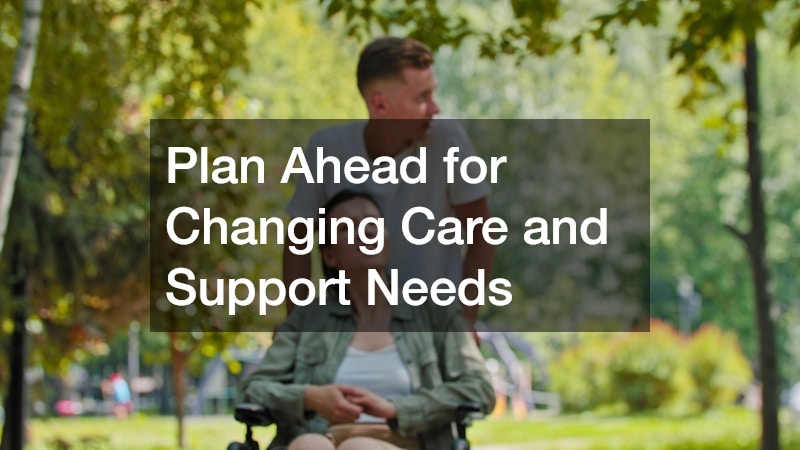
Some lifestyle changes involve taking on additional responsibilities for a family member or loved one. These situations can develop gradually, making it useful to think about potential support needs before a crisis occurs.
Private duty care may be appropriate in some circumstances when an individual needs personalized assistance with daily activities or other forms of support. The appropriate level of care depends on the person’s needs, preferences, living situation, and recommendations from qualified professionals.
Families can begin planning by considering:
- Which daily activities require assistance.
- What level of independence the individual wants to maintain.
- Whether the home needs accessibility improvements.
- Which responsibilities family members can realistically handle.
- What professional support options are available.
- How needs could change over time.
It can help to create a flexible plan rather than assuming one arrangement will work permanently. Needs can change, and reviewing available support periodically allows families to adjust before existing arrangements become difficult to maintain.
Major lifestyle changes do not have to be handled all at once. Breaking a transition into manageable decisions can make it easier to address practical responsibilities while still leaving room for flexibility. Preparing your home, adapting your routines, evaluating housing choices, protecting your property, and organizing your belongings can all contribute to a smoother adjustment.
The most effective approach is to focus on what your current circumstances actually require. By identifying priorities, planning, and addressing smaller details before they become larger obstacles, you can approach major transitions with greater confidence and create a foundation that supports the next stage of your life.